
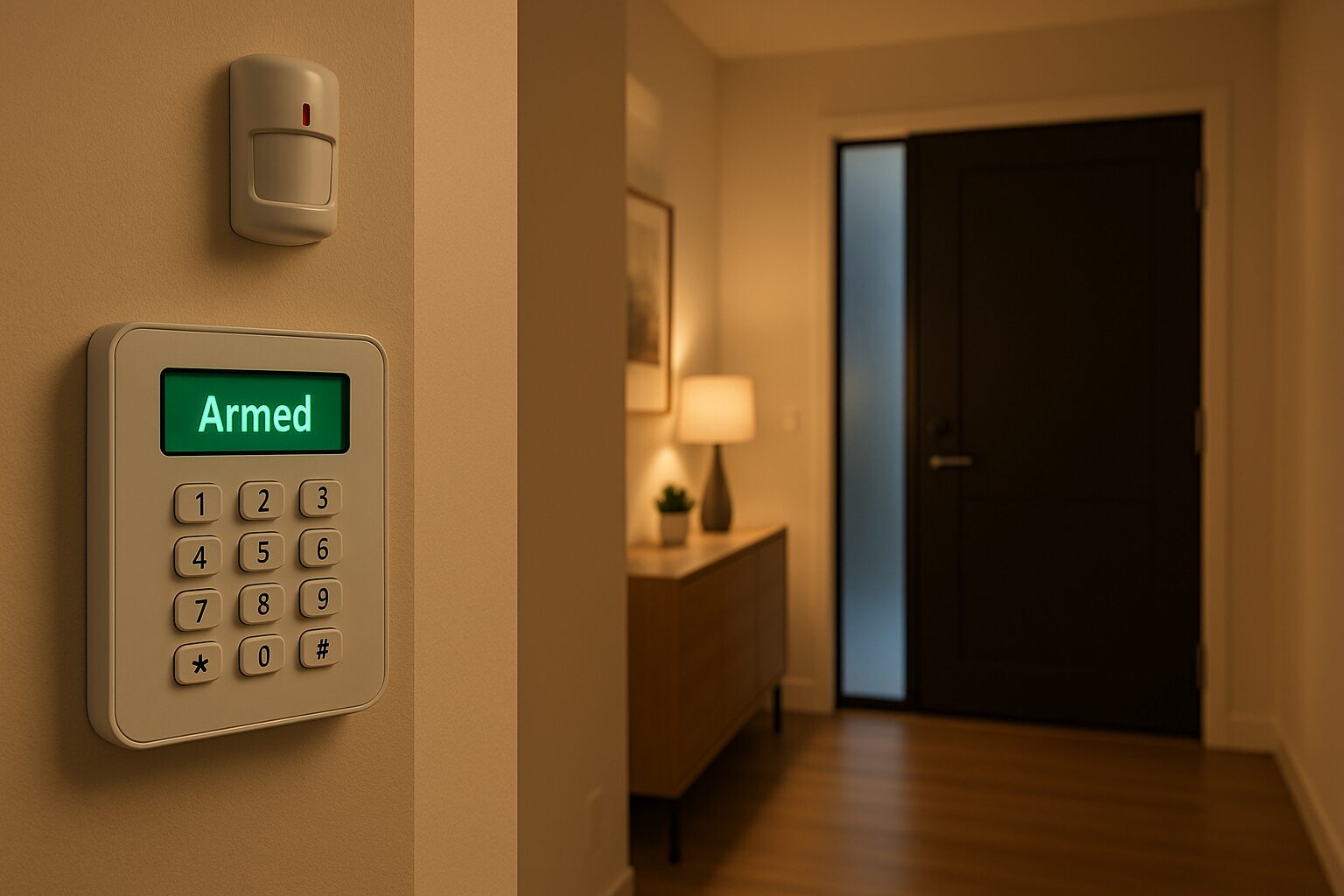
Protect your home and business with a reliable burglar alarm. Learn how burglar alarms work, their types, benefits, and smart security options in this ultimate guide.
Burglar Alarm: The Ultimate Guide to Protecting Your Home and Business
Introduction
Have you ever wondered what truly protects your home or business when you’re away? With burglary cases on the rise globally, securing your property is no longer a luxury—it’s a necessity. A burglar alarm isn’t just a device; it’s your silent guardian that detects unauthorized entries and instantly alerts you or the authorities.
In this ultimate guide, we’ll explore how burglar alarms work, the different types available, and how they can seamlessly fit into your home or business security system. By the end, you’ll know exactly how to choose the right burglar alarm to protect what matters most—your peace of mind.
What Is a Burglar Alarm and Why You Need One
A burglar alarm is an electronic security system designed to detect unauthorized entry into a building or area. It works by using sensors connected to a control panel that trigger an alarm when motion, vibration, or a break-in is detected.
Installing a burglar alarm offers several benefits:
- Instant alerts in case of intrusions.
- Prevention of theft and vandalism.
- Peace of mind when you’re away.
- 24/7 monitoring through mobile apps or alarm systems.
Simply put, a burglar alarm acts as your first line of defense against crime—protecting your home, office, warehouse, or factory.
How a Burglar Alarm Works
Every burglar alarm has three main parts: sensors, control panel, and alert system.
- Sensors detect suspicious activities—like movement, door openings, or window breakage.
- Control Panel processes signals from sensors and decides when to trigger an alert.
- Alert System activates sirens, lights, or sends notifications to your phone or security provider.
Modern burglar alarms can even send real-time alerts via mobile apps, integrate with CCTV systems, or trigger automatic door locks during a breach.
Types of Burglar Alarms
Choosing the right burglar alarm depends on your property size, layout, and level of security you need. Here are the most common types:
1. Wired Burglar Alarms
These are traditional systems connected via cables. They’re reliable but may require professional installation.
2. Wireless Burglar Alarms
Operate using Wi-Fi or radio frequency. They’re easy to install and suitable for homes and small offices.
3. Hybrid Alarms
Combine wired and wireless features for greater flexibility—ideal for expanding systems.
4. Smart Burglar Alarms
These alarms can be controlled from your smartphone, integrating with home automation systems like Alexa or Google Home.
5. Silent Alarms
Instead of sounding a loud siren, these discreetly notify authorities, perfect for high-risk zones like banks or jewelry stores.
Smart Burglar Alarms: The Future of Security
The world is moving toward smart living, and burglar alarms are no exception. Smart systems use AI-based detection to distinguish between a pet and an intruder.
Here’s what makes them stand out:
- Mobile notifications: Get instant alerts anywhere.
- Integration: Connect with smart locks, CCTV, or fire alarms.
- Remote monitoring: Check your home in real time.
- Voice control: Arm or disarm using Alexa or Google Assistant.
Components of a Burglar Alarm System
A typical burglar alarm setup includes the following components:
- Control Panel: The brain of the system that manages all connected devices.
- Motion Detectors: Detects movement in hallways or rooms.
- Door/Window Sensors: Activates when someone tries to open entry points.
- Siren or Sounder: Emits a loud alarm to deter intruders.
- Keypad or Remote: Used to arm or disarm the alarm.
- Backup Battery: Ensures continuous operation during power failures.
- Communication Module: Sends alerts via mobile or landline.
Together, these create a networked security system that guards your property around the clock.
How to Choose the Right Burglar Alarm for Your Needs
Before buying, consider the following points:
- Property Size: Larger areas may need multiple sensors or hybrid systems.
- Connectivity: Choose between wired, wireless, or smart systems.
- Monitoring Type: Self-monitoring vs. professional monitoring.
- Budget: Entry-level systems start at affordable prices, while advanced smart alarms cost more but offer greater convenience.
- Integration: Opt for systems compatible with other smart devices.
Installation and Maintenance Tips
Even the best alarm won’t perform if not installed properly. Here’s how to make sure yours runs efficiently:
- Hire a certified technician for professional setup.
- Test your system monthly to ensure sensors work correctly.
- Replace batteries in wireless units every 6–12 months.
- Keep sensors clean to avoid false alarms.
- Update firmware for smart systems regularly.
If you manage multiple locations, consider integrating alarms with a central monitoring system for unified control.
Common Mistakes to Avoid When Using Burglar Alarms
- Not Arming the System: Many users forget to activate it daily.
- Poor Sensor Placement: Avoid blind spots—install at entry points and hallways.
- Ignoring Maintenance: Dust or weak batteries can cause false triggers.
- Choosing the Wrong Type: Match the alarm type with your property’s risk level.
- No Backup Communication: Ensure mobile or landline backup in case of Wi-Fi failure.
Avoiding these errors ensures your burglar alarm remains effective 24/7.
Integrating Burglar Alarms with Other Security Systems
For complete protection, connect your burglar alarm with:
- CCTV Cameras: Record evidence during intrusions.
- Access Control Systems: Automatically lock doors during alerts.
- Fire Alarms: Combine for safety against multiple risks.
- Home Automation: Set routines like turning on lights when motion is detected.
The Psychology of Burglary Prevention
Alarms do more than sound sirens—they change criminal behavior.
Studies reveal that visible alarm systems discourage burglars before a break-in even occurs. The presence of an alarm box or sticker often leads offenders to skip the property entirely.
This makes your burglar alarm not just a reactive measure but a powerful psychological deterrent.
The Future of Burglar Alarms
The next wave of burglar alarms will use AI-based analytics, facial recognition, and cloud connectivity. Future systems will analyze patterns, predict threats, and even communicate directly with law enforcement.
With IoT integration, your alarm system will talk to other devices—lights, cameras, and sensors—to create a fully automated, intelligent security ecosystem.
Summary of Key Points
| Feature | Benefit |
|---|---|
| Motion & Door Sensors | Detect unauthorized entry |
| Smart Alerts | Instant mobile notifications |
| Integration | Works with CCTV & smart locks |
| Remote Access | Control from anywhere |
| Preventive Power | Deters potential burglars |
Conclusion
A burglar alarm isn’t just a device—it’s an assurance of safety, confidence, and control. Whether you’re protecting your home, office, or warehouse, the right alarm can make all the difference.
By investing in a reliable burglar alarm, you not only deter intruders but also secure your loved ones and assets. Choose a system that fits your lifestyle—whether a basic wired setup or a modern smart alarm—and enjoy peace of mind knowing your security is always one step ahead. | WhatsApp